Focused arrival windows
Useful updates and clear arrival timing.
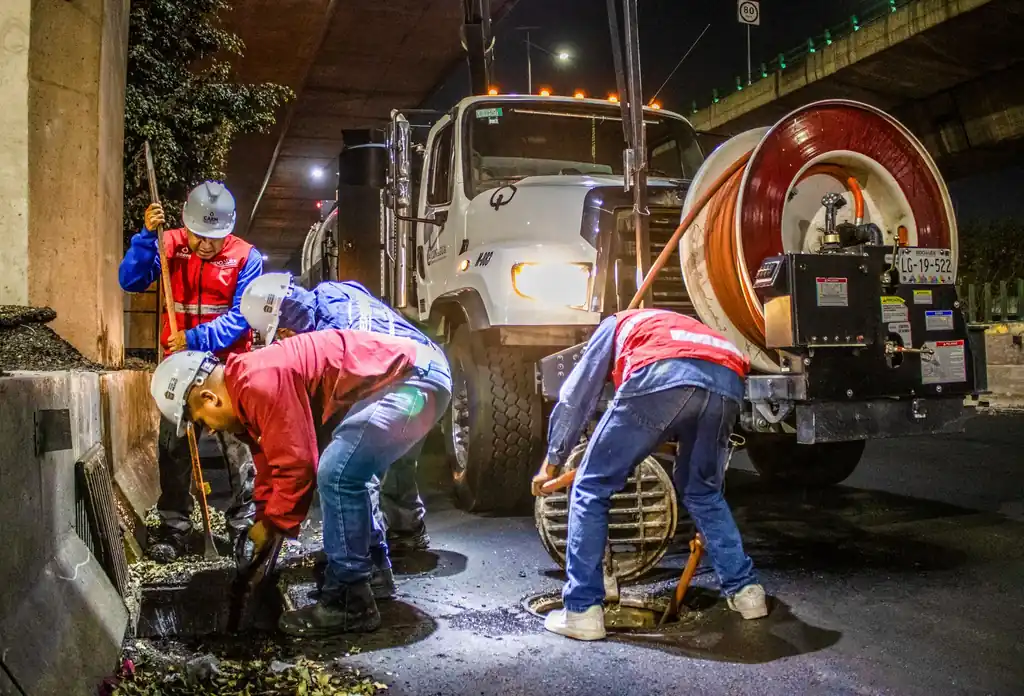
Water Heater Maintenance and Flushing Shakopee MN clears the sediment and scale that choke your tank and drive up gas bills. If your water heater rumbles, runs out of hot water, or has never been flushed, we handle it. We serve homeowners across Shakopee, Scott County and the southwest metro with same-day water heater flush Shakopee MN appointments.
Useful updates and clear arrival timing.
Review the approach and price before deciding.
Equipped vehicles and respectful cleanup.
Neighbors serving neighbors with follow-through.
Every flush covers the full drain, sediment removal, and a safety check on the parts that fail most. Anode rod replacement and expansion tank swaps are quoted separately if your tank needs them, and we tell you the price before we start.
We drain the tank completely and flush until the water runs clear. On a 50-gallon unit that means 50 gallons out and a fresh 50 back in, with the sediment carried away instead of left to bake on the burner plate.
We pull the anode rod and measure what is left. If it is more than 60 percent consumed, we recommend replacement. A new rod costs $80 to $150 installed and is the cheapest way to add years to a tank.
The temperature and pressure relief valve is your tank's safety release. We lift the lever, confirm it reseats, and replace it if it drips. A stuck T&P valve is a genuine safety issue, not a nuisance.
We verify the thermostat holds at 120 degrees and test the heating elements on electric units. A burned-out lower element is a common cause of lukewarm water and shows up fast during a flush.
We test the expansion tank charge with a water pressure gauge and check your home's incoming pressure. High pressure wears out tanks and fixtures, and a waterlogged expansion tank needs replacing before it causes a leak.
Share what is happening and receive a clear next step from the local team.
Water heater maintenance and flushing Shakopee MN is a scheduled service that drains the tank, removes mineral sediment, and inspects the parts that fail first. We shut off the gas or power, hook a hose to the drain valve, and empty the tank completely. Then we flush until the water runs clear, check the anode rod, test the T&P valve, and set the thermostat back to a safe 120 degrees. Most tanks finish in 60 to 90 minutes.
Shakopee water carries a lot of dissolved calcium, so sediment settles on the burner plate year after year. Left alone, that layer insulates the flame, overheats the steel, and shortens tank life by years. That is why we recommend an annual water heater service Shakopee Minnesota visit, and why homeowners searching for water heater flushing near me Shakopee MN usually call us after the rumbling starts. A $150 to $250 flush beats a $1,400 tank replacement.
We kill the gas valve or breaker, close the cold inlet, and connect a hose to the drain valve. The tank empties into a floor drain or utility sink. On a 50-gallon tank this takes 15 to 25 minutes, and you will hear the water running the whole time.
We open the cold supply in short bursts to stir the tank bottom and push scale out the drain. We repeat until the discharge runs clear instead of gritty. Heavy buildup sometimes needs a second pass, which adds about 20 minutes.
The anode rod is the sacrificial metal that keeps your tank from rusting. We pull it and check how much is left. If it is down to the core wire, we swap in a new one, usually a magnesium or aluminum rod matched to your water.
We exercise the T&P valve, check the expansion tank charge with a water pressure gauge, and confirm the thermostat holds at 120 degrees. A dripping T&P valve or a waterlogged expansion tank gets flagged before it becomes a leak.
We refill the tank, bleed the air out of the hot lines, and relight the pilot or restore power. Then we run a hot tap and confirm the burner or element cycles correctly. Total visit runs 60 to 90 minutes.
Used to break loose drain valves, anode rods, and supply fittings without rounding the hex. The right wrench matters on older tanks where fittings have seized.
For cutting and fitting replacement parts on the spot, including anode rods and expansion tank brackets, so most jobs finish in one visit.
Measures incoming home pressure and expansion tank charge. Anything over 80 psi wears out tanks and fixtures, and we can fix it with a pressure reducing valve.
Sniffs the gas connection and pilot assembly on every gas water heater visit. It is a fast, non-invasive check that catches leaks before they become a hazard.
Moves 50 gallons of hot, sediment-heavy water to a floor drain or utility sink without splashing. Tankless descaling uses the same kit with a vinegar circulation.
For quick, code-correct repairs to supply lines feeding the heater. PEX handles Minnesota's temperature swings and hard water better than older materials.
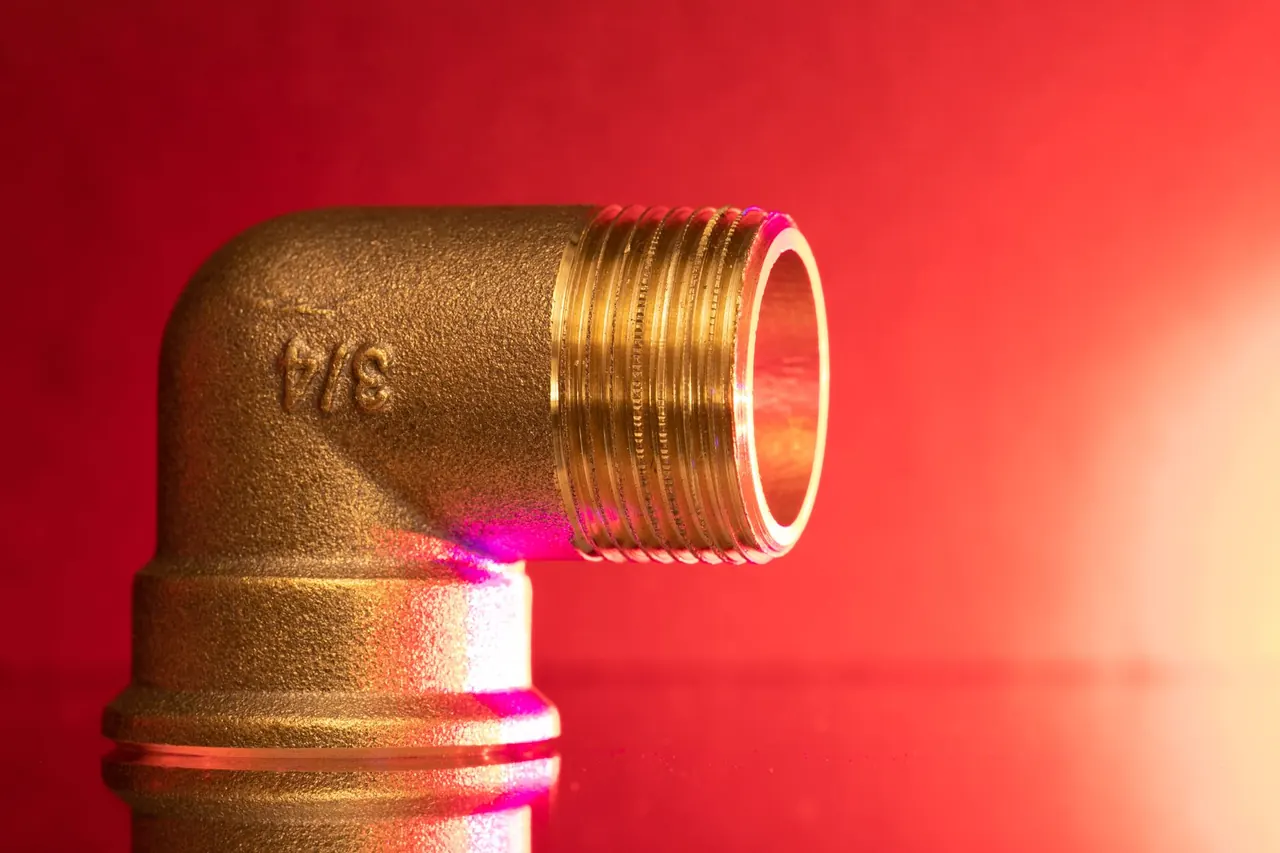
Used on every threaded or soldered connection we touch, so fittings seal the first time and do not weep after the tank refills.
This is the sweet spot. We drain the tank, pull the anode rod, and clear the sediment before it hardens into a layer that is hard to remove. The visit runs 60 to 90 minutes. You get a clean tank, a fresh anode rod, and a realistic read on how many years are left. Most tanks at this age have plenty of life with annual service.
We flush the tank, test the T&P valve, and document the condition with photos and a written summary. If the tank is near end of life, we quote a replacement so the sale does not stall. You get a clean inspection report and a documented service history that supports the home's value.
We flush the sediment, check the thermostat setting, and test the burner or elements. If scale is severe, we test your water and quote a softener. Most customers see water heating costs drop 8 to 12 percent, which is $60 to $120 a year back in your pocket.
We do a full maintenance visit: flush, anode rod check, valve test, and a look at the gas connection and venting. You get a clear picture of what you inherited. You know exactly what condition the tank is in and what to budget for, instead of guessing until something fails.
Shakopee sits on hard municipal water drawn from the Jordan aquifer, and that mineral content is the single biggest reason tanks here scale up faster than the national average. We see 3 to 5 year old tanks with a visible sediment layer, which is why we push annual water heater maintenance Shakopee MN visits instead of waiting for problems. Winters add another wrinkle: incoming water drops to about 40 degrees, so the burner works harder and any sediment layer insulates the flame even more. Older homes near downtown Shakopee often have galvanized or poly supply lines that shed rust into the tank, and we check those during every flush. If you are searching for how much does a water heater flush cost in Shakopee, the honest answer for 2026 is $150 to $250 for a standard tank. We work under Minnesota plumbing code and pull permits when a replacement is needed.
Newer construction with mostly PEX tubing and 50-gallon tanks. These units scale fast on Shakopee water and benefit from a flush every 12 months.
Older housing stock with galvanized lines and basement utility rooms. We often find rust sediment and original shut-off valves that need replacing during a flush.
Mix of townhomes and single-family homes with tight mechanical closets. Access is limited, so we plan anode rod swaps around the space available.
Family homes with high hot-water demand and larger 75-gallon tanks. These benefit most from annual service because recovery time matters on school mornings.
Calcium and magnesium settle on the burner plate within 12 to 18 months, forcing longer run times and causing popping noises. Annual flushing is the standard fix.
The heater works harder to raise cold water to 120 degrees, which magnifies the effect of any sediment layer and raises gas use through January and February.
These lines shed rust and debris into the tank, accelerating sediment buildup. We check supply condition during every flush and quote repiping when it makes sense.
A Shakopee homeowner called about loud popping from a 10-year-old Rheem 50-gallon gas tank. Hot water ran out after two showers and the gas bill had climbed $22 a month over the previous winter.
We flushed roughly two cups of sediment, replaced the spent anode rod, and reset the thermostat to 120 degrees. The popping stopped the same night, and the next two gas bills came in $14 and $17 lower than the prior average.
Maintenance: We put the tank on an annual flush schedule and noted the anode rod should be checked again in three years. At 10 years old, this tank is now tracking toward 15 or more.
A Prior Lake home had a dripping T&P valve and pressure that spiked to 95 psi after every heating cycle. The expansion tank was full of water and doing nothing.
We replaced the expansion tank, flushed the heater, and installed a pressure reducing valve to hold the home at 60 psi. The T&P valve stopped dripping and the tank now runs through a full cycle without pressure spikes.
Maintenance: We check the expansion tank charge at every annual visit and test home pressure. The new tank should last 8 to 10 years with that routine.
A Savage family lost hot water on a Sunday morning. The lower element had burned out from years of sediment buildup, and the tank had never been flushed in 7 years of ownership.
We replaced the lower element, flushed the tank, and tested the thermostat. Hot water was back within three hours of the call, and the tank has run normally since.
Maintenance: They booked annual water heater service Shakopee Minnesota visits going forward. Elements last far longer when the tank is not sitting under a layer of scale.
Most water heater complaints trace back to sediment, a spent anode rod, or a failing safety valve. Here are the ones we see most in Shakopee and what happens if you let them ride.
Steam trapped under sediment overheats the steel and can crack the tank years early. The noise also gets worse over time, so it never fixes itself. We drain and flush the tank until the discharge runs clear, which removes the scale layer causing the noise. If the rumbling continues after a flush, the tank is failing and we quote a replacement.
Sediment takes up space in the tank, so a 50-gallon unit effectively holds 35 gallons of usable hot water. Showers get cold and the burner runs longer to keep up. A full flush restores the tank's capacity and we test the elements and dip tube while we are in there. Most customers get their full shower time back the same day.
Brown water usually means the anode rod is spent and the tank interior is starting to corrode. Ignoring it leads to a pinhole leak and a wet floor. We pull the rod, replace it if it is consumed, and flush the tank to clear the rust. If the tank wall is already compromised, we tell you straight and quote a replacement.
A small weep at the drain valve or T&P valve becomes a flooded utility room fast. Water damage repairs run into the thousands. We shut off the supply, find the source, and replace the failed valve or fitting. If the tank itself is leaking, we handle the replacement and haul the old unit away.
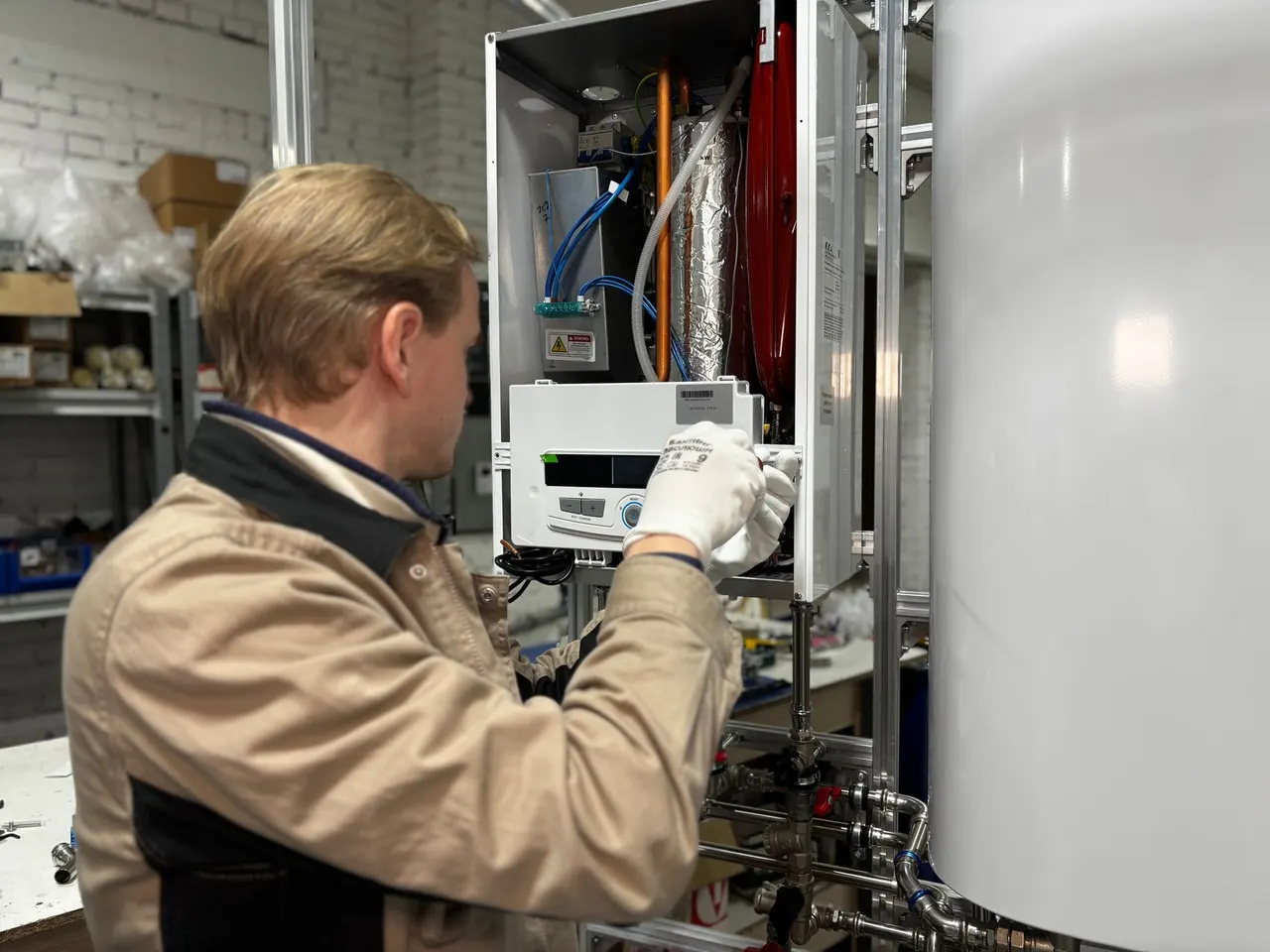
Pro Plumbers Shakopee has been servicing water heaters since 2000, which means 26 years of Scott County water, hard scale, and Minnesota winters. Our techs hold state-licensed plumbing credentials and work on every major brand, from Rheem and A.O. Smith to Bradford White, Navien, and Kohler. We carry anode rods, T&P valves, and expansion tanks on the truck, so most flushes finish in one visit without a return trip.
Our 9-year-old Rheem was popping so loud we could hear it upstairs. Pro Plumbers Shakopee came out the same afternoon, flushed about two cups of grit out of the tank, and swapped the anode rod. The noise stopped that night and our gas bill dropped about $14 the next month. They showed me the sediment in a bucket before they dumped it.
I called about a water heater flush in Shakopee after reading that hard water kills tanks early. The tech checked the T&P valve and found the expansion tank was waterlogged. He replaced it on the spot for $180 and flushed the heater. Total was under $400 and he explained how often to flush based on our water use.
We had no hot water on a Sunday morning. They sent someone within two hours, found the lower element had burned out from sediment buildup, and replaced it. He also flushed the tank and tested the thermostat. We booked the annual water heater service Shakopee Minnesota plan right after so it does not happen again.
Most flushes in Shakopee run $150 to $250 in 2026, including the drain, sediment removal, and a valve check. Adding an anode rod swap pushes it to $230 to $400. Tankless descaling runs higher because it needs a pump and vinegar circulation. If you are comparing quotes, ask whether the price includes the anode rod inspection, because that is where cheap flushes cut corners.
Once a year for most Shakopee homes, because our water is hard enough to lay down visible scale in 12 months. If you have a water softener or low water use, every 18 to 24 months is fine. Tankless units need descaling every 12 months to hold the warranty. If you hear popping or rumbling before the year is up, flush it now rather than waiting.
Yes, and the numbers are clear. A tank rated for 10 years that gets annual service commonly reaches 15 or more. The two killers are sediment overheating the steel and a spent anode rod letting the tank rust from the inside. We replace the rod for $80 to $150 during a flush, which is the cheapest insurance you can buy on a $1,400 tank.
Popping and banging means sediment has built up on the burner plate and water is trapped underneath turning to steam. It is the most common call we get in Scott County, and it usually shows up 3 to 5 years into a tank's life. A sediment flush water heater Shakopee service clears it out. If the noise continues after a flush, the tank itself is failing.
Not seeing your question? Our local team can help you understand urgency, scheduling and what to expect.
Ask the local team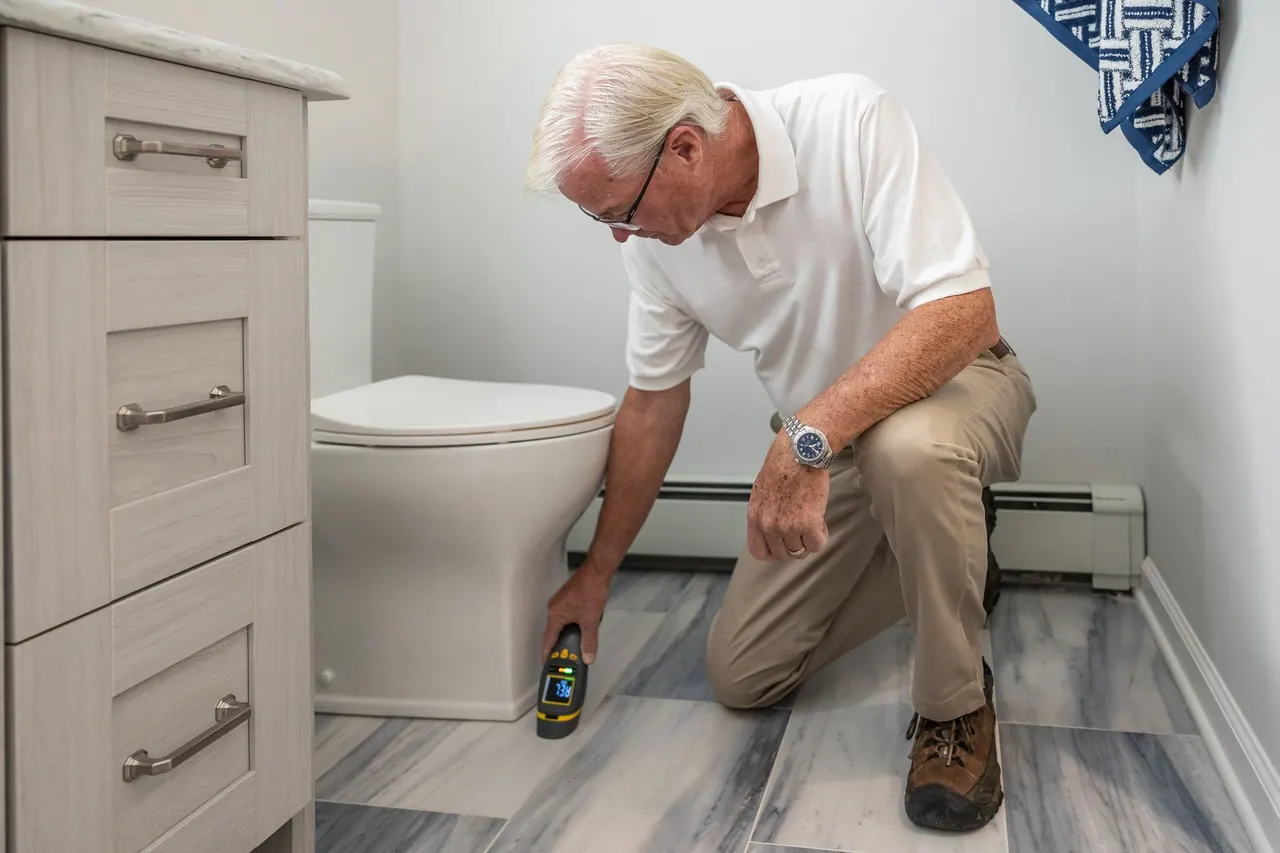
A tank that has been flushed for years can still develop a pinhole leak at a fitting. We use a leak detection acoustic microphone to trace hidden water before it damages drywall or flooring in your Shakopee home.
View service
Hard Shakopee water wears on copper pipe and older galvanized lines feeding the heater. If we spot corrosion during a flush, we can replace that section with copper pipe or PEX tubing in the same visit.
View service
Sediment that reaches your water heater also reaches your fixtures. If a Moen or Delta faucet starts dripping after a flush, we rebuild or replace the cartridge so the hot side runs clean again.
View service
Scale and grit from the supply line can chew up a fill valve. When a running toilet shows up alongside water heater work, we swap the valve and wax ring while we are already on site.
View service
Call 877-780-9246 to schedule plumbing service or ask a question. We answer the phone during business hours and take emergency calls 24/7. If you reach voicemail after hours, leave your address and the problem, and we will call back quickly. Most calls get a same-day or next-day appointment.