Focused arrival windows
Useful updates and clear arrival timing.
Leak detection and repair Shakopee MN homeowners call first starts with finding the leak before we cut anything open. We use acoustic microphones, thermal imaging, and pressure testing to pinpoint hidden water leaks in walls, slabs, and underground lines. Once we know exactly where it is, we fix it, test it, and leave your home dry. Licensed, insured, and serving Scott County since 2000.
Useful updates and clear arrival timing.
Review the approach and price before deciding.
Equipped vehicles and respectful cleanup.
Neighbors serving neighbors with follow-through.
Every leak detection and repair Shakopee MN visit includes the full diagnostic sequence, not just a quick look. You get the location, the cause, and a repair price before we start. If the fix is simple, we do it on the spot. If it needs a bigger repair, you get the plan and the number in writing.
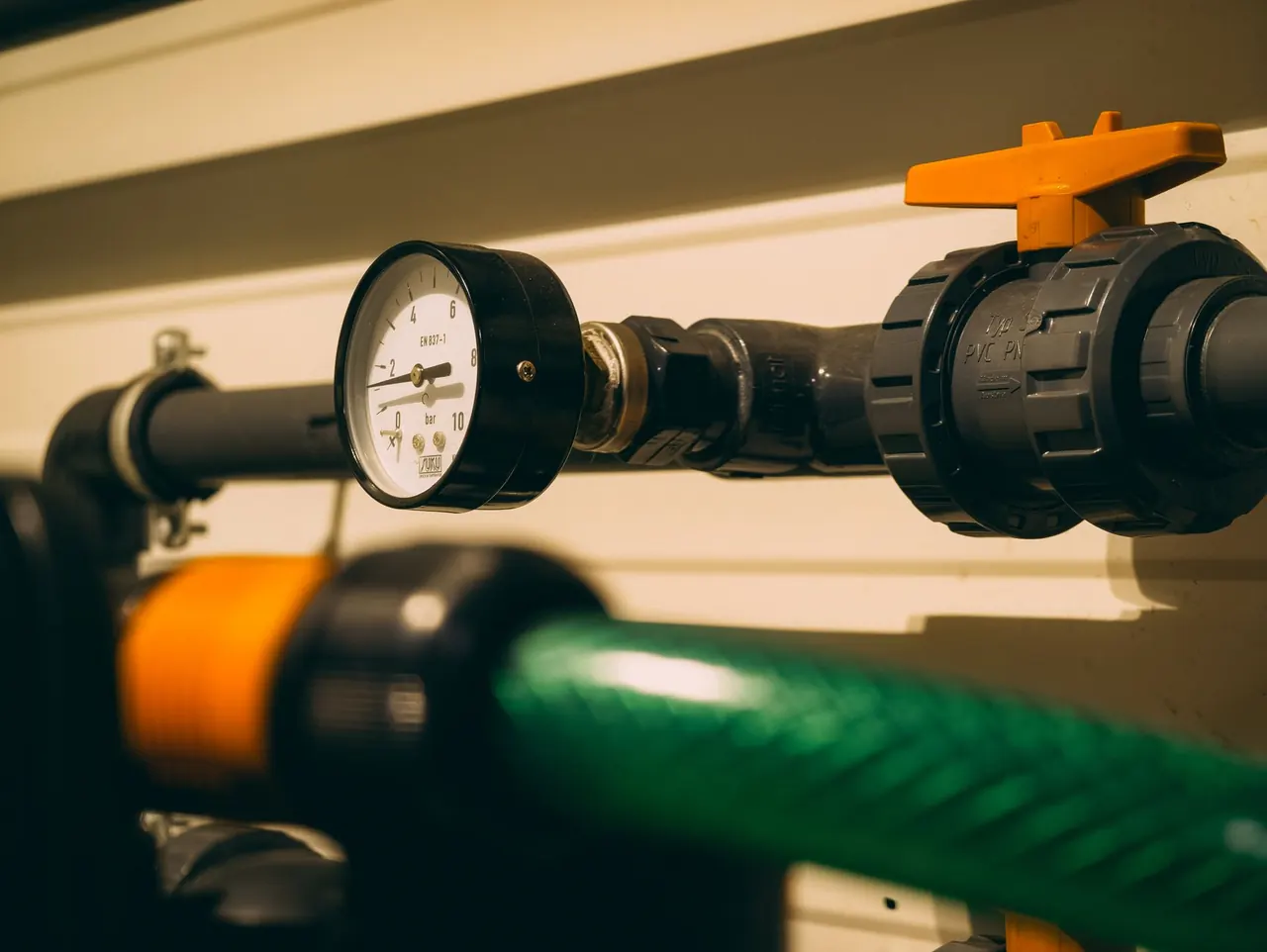
We isolate the system, watch the meter, and read line pressure with a water pressure gauge. This tells us whether the leak is on the pressurized supply side or the drain side, which changes the whole approach.
We scan with a leak detection acoustic microphone and thermal camera to pinpoint the leak behind walls, under slabs, or underground. You see the mark on the floor before any cutting starts.
You get the cause, the repair method, and a flat price before work begins. No hourly guessing. If we find a second issue while we are in there, we stop and quote it separately.
Most supply leaks, faucet drips, running toilets, and accessible drain leaks get repaired the same visit. Copper, PEX tubing, PVC pipe, and ABS pipe repairs are all in our wheelhouse.
We repressurize, run fixtures, and re-check the meter and moisture meter. You get a summary of what failed and what we replaced, plus a workmanship warranty on the repair.
Share what is happening and receive a clear next step from the local team.
Leak detection and repair Shakopee MN is the process of locating water escaping from supply lines, drains, slabs, or underground pipes and sealing it before it damages your home. We start with a pressure gauge on the main line, then use an acoustic microphone and thermal camera to hear and see where water is moving. Most leaks show up as a spike on your water bill, a warm spot on the floor, or the sound of running water when every fixture is off.
Shakopee homes deal with hard water scale buildup that eats copper pipe from the inside, plus freeze-thaw cycles that crack lines running through unheated garages and crawlspaces. If you have ever searched how to find a hidden water leak in Shakopee MN, you already know the guessing game. We skip the guesswork. One visit, one accurate location, one repair plan with a real price before we start.
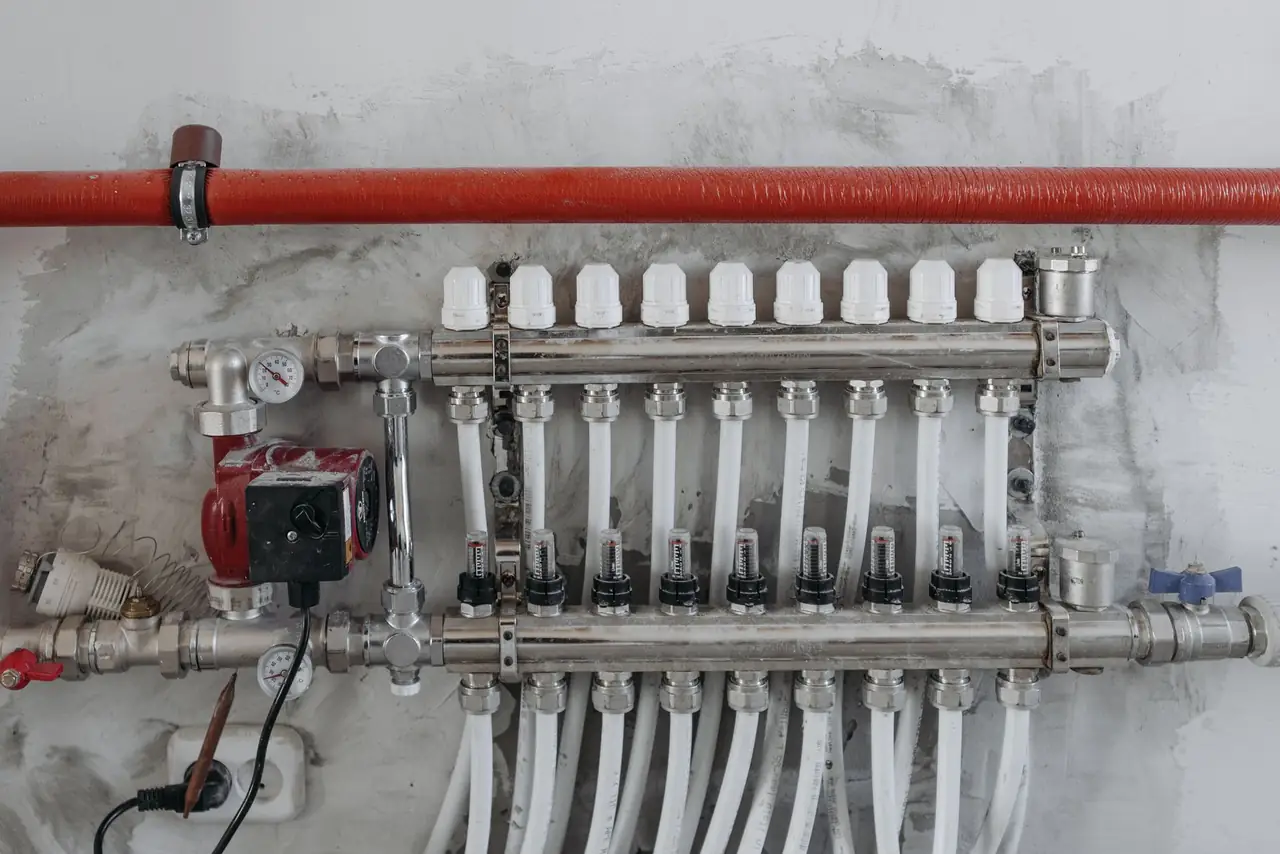
We shut every fixture, watch the water meter, and put a water pressure gauge on an outdoor spigot. If the meter creeps and pressure drops overnight, you have a supply-side leak. This step takes about 15 minutes and tells us whether we are chasing pressure or drainage.
We walk the house with a leak detection acoustic microphone and a thermal camera, listening for the hiss of pressurized water and looking for temperature shadows behind walls and under floors. This is non-invasive leak detection Shakopee Minnesota homeowners prefer because nothing gets cut open yet.
We mark the spot with tape, then confirm with a second method, usually isolating a section with a shut-off valve or pressurizing with air. Two methods agreeing on the same spot is how we keep the repair small. You see the mark before we touch a tool.
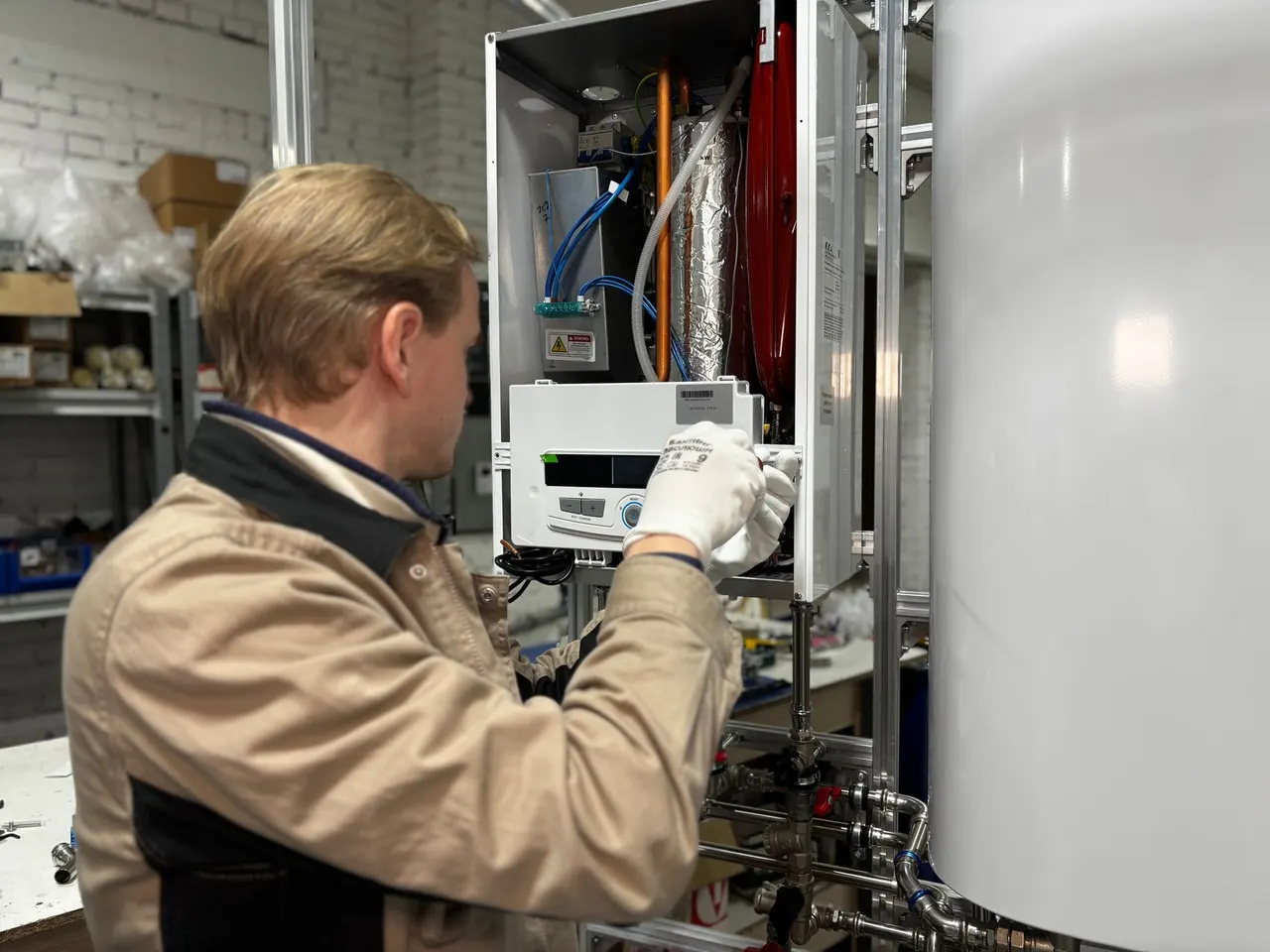
Copper gets cut and re-sweated with solder and flux, PEX gets a press fitting tool or SharkBite coupling, and PVC or ABS drains get new pipe fittings and pipe thread sealant. A dripping faucet or running toilet gets a new cartridge or wax ring and flapper while we are there.
We repressurize, run every fixture, and re-check the meter and moisture meter. If the reading holds, we close up, haul out debris, and leave you a written summary of what failed and what we replaced. Same-day water leak repair Shakopee MN jobs usually wrap before dinner.
Listens for the hiss of pressurized water escaping a pipe behind walls, under slabs, or underground. It is the fastest way to narrow a search area from a whole house to a few square feet.
Shows temperature differences caused by hot water leaks and evaporative cooling from cold leaks. It confirms what the microphone hears and helps us mark the spot before we cut.
Reads static and dynamic line pressure to confirm a supply-side leak and rule out pressure problems caused by a failing regulator or shut-off valve.
Runs a camera through drains and sewer lines to find cracks, root intrusion, and joint failures that leak underground or under the slab.
Makes fast, code-compliant PEX and copper connections without open flame in tight spaces, which matters inside finished walls and near framing.
Clears grease, scale, and roots from drain lines so we can camera them clean and confirm whether a backup caused the leak or hid one.
Verifies that drywall, framing, and subfloor are actually dry before we close a wall, so we do not trap moisture and create a mold problem.
We never repair based on one reading. Acoustic plus thermal, or pressure test plus camera, must agree on the same spot. That is how we keep repairs small and avoid opening the wrong wall.
We close shut-off valves one at a time to isolate the hot side, cold side, or a single fixture group. This narrows the search fast and tells us whether the leak is supply, drain, or slab.
We exhaust every listening, thermal, and pressure method before cutting anything. Non-invasive leak detection Shakopee Minnesota keeps your finishes intact and your repair bill down.
Every repair is built to ICC plumbing code and Uniform Plumbing Code standards, with the right materials, proper support, and a pressure test before we sign off.
We shut the house down, watch the meter, and pressure test the system. If the meter still creeps, we scan with acoustic and thermal tools to find the hidden line. Most of these turn out to be a pinhole in copper pipe or a failed fitting behind a wall. You get a marked location, a repair price, and a fixed line, usually the same day. The meter stops moving and the next bill drops back to normal.
That is a classic slab leak on the hot side. We confirm with thermal imaging, isolate the loop, and either spot-repair the slab or reroute the line overhead through the attic. You choose based on cost and future risk. The floor dries out, the sound stops, and your gas and water bills settle back down. Most slab repairs are finished in one working day.
We shut the water off at the main, cut out the split section, and rebuild it with new copper or PEX tubing. Then we check the rest of the run for weak spots and insulate the exposed pipe so it does not happen again next winter. Water is back on the same day, the repair is pressure tested, and the line is protected before the next freeze.
We run a full leak detection scan, check every shut-off valve and supply line, and document what we find. If there is an active leak, we quote the repair so it can be handled before closing. You get a clear picture of the plumbing before money changes hands, and any real leak gets fixed with a receipt to show.
Shakopee sits in Scott County, and the plumbing here has its own patterns. Homes built before 1980 often still have copper pipe that has been eaten thin by hard water scale buildup, which shows up as pinhole leaks in walls and ceilings. Newer builds are mostly PEX tubing, but freeze-thaw cycles still split lines running through unheated garages and crawlspaces. Winter is our busiest season for burst pipe and frozen pipe calls, and we keep 24/7 dispatch running through the cold months. Summer brings its own work: irrigation lines, underground service leaks, and root intrusion in sewer line sections under mature trees. If you are searching for how to find a hidden water leak in Shakopee MN, the short answer is pressure test first, then listen and look. We do both on every call, and we work to Minnesota plumbing code on every repair.
Older housing stock near the river with original copper and galvanized lines. Pinhole leaks from hard water are common here, and shut-off valves are often original and stiff.
Mostly 1990s and 2000s builds with copper and early PEX. We see slab leaks on hot lines and irrigation-related underground leaks in the summer months.
Larger lots with longer underground service lines between the meter and the house. Those runs are prime candidates for underground leak detection service when the yard stays soggy.
Newer construction with PEX tubing and manifold systems. Leaks here tend to be fitting-related rather than pipe failure, and they are usually quick to isolate.
Scale eats copper from the inside and causes pinhole leaks that soak drywall slowly. A water softener installation or repipe with PEX tubing usually ends the cycle.
Lines in unheated garages, crawlspaces, and exterior walls split when water freezes and expands. We see the most burst pipe calls from December through March.
Underground service lines and sewer laterals crack and shift, and roots find the joints. Camera inspection before any underground repair is standard for us.
Slab leaks are harder to reach and need acoustic and thermal location before any concrete work. Catching them early keeps the repair to a small opening.
A homeowner in Shakopee had a growing water stain on the kitchen ceiling and a water bill up $90 for the month. Two other companies wanted to open a four-foot section of ceiling to find the source.
We located the pinhole in a copper line with an acoustic microphone in about 30 minutes, cut out six inches of pipe, soldered in a new section, and pressure tested it. The ceiling patch was under a square foot. The next bill dropped back to normal.
Maintenance: We recommended a water softener to slow the scale damage to the rest of the copper. Annual pressure checks catch the next pinhole before it soaks the ceiling.
A warm spot on the hallway floor and the sound of running water when everything was off. The homeowner had been putting it off for two months, and the laminate flooring had started to cup at the seams.
Thermal imaging and acoustic listening marked the slab leak within 18 inches. We opened a small section of slab, repaired the hot water line, and pressure tested it the same day. The floor dried out and the cupping stopped spreading.
Maintenance: We set the water heater temperature down slightly to reduce stress on the line and suggested a moisture check each spring. Catching slab leaks early keeps the repair small.
A January cold snap split a copper line running through an unheated garage. The homeowner found water spreading across the garage floor and shut the main off before it reached the house.
We cut out the split section, rebuilt it with PEX tubing, and pressure tested the run. Then we insulated the exposed pipe and added a shut-off valve so the line can be drained next winter. Total time on site was under three hours.
Maintenance: Drain the garage line before the first hard freeze each fall and keep the valve closed until spring. That one habit prevents most repeat freeze breaks.
Most leaks we get called for fall into a handful of patterns. Knowing which one you have helps you decide how fast to act.
A hidden supply leak can waste thousands of gallons a month and quietly rot framing, subfloor, and drywall from the inside out. We run a meter and pressure test, then locate the leak with acoustic and thermal tools. Once we mark it, we repair the failed section of copper or PEX tubing and re-check the meter so you can see the usage drop.
That is usually a slab leak on a hot water line. Left alone, it can undermine the slab, warp flooring, and drive up both water and gas bills. We confirm with thermal imaging and acoustic listening, then repair the slab leak by spot repair or reroute the line overhead. Most slab jobs are done in one day with minimal concrete removal.
An underground service line leak wastes water, can wash out soil under a driveway, and may eventually flood your basement. We trace the underground line, locate the break, and repair or replace the section. If the line is under concrete or mature trees, we look at trenchless options first to save your landscaping.
Shower and tub drain leaks soak insulation and ceiling drywall, and mold can start within 48 hours of the first wetting. We open the access panel, find the failure at the valve, overflow, or drain shoe, and repair it. Then we verify with a moisture meter before you close anything back up.
Pro Plumbers Shakopee has been fixing leaks in this area since 2000, which is 26 years of crawlspaces, slab homes, and frozen lines. Our techs hold Minnesota master plumber and journeyman plumber licenses and work to ICC plumbing code and Uniform Plumbing Code standards on every repair. We carry backflow prevention certification and gas line licensing, so we can handle the whole system, not just the wet part. When a leak turns out to be a sewer issue, we run a sewer camera inspection system before we quote anything.
Our water bill jumped $140 in one month and we could not find anything. The tech put a gauge on the spigot, walked the house with a microphone, and marked a spot in the hallway floor in about 40 minutes. Turned out to be a slab leak. They repaired it the next morning and the meter finally stopped moving. Straight answers, no drama.
We had a stain on the ceiling for weeks and two other companies wanted to open the whole wall. Pro Plumbers found it with a thermal camera in 20 minutes. It was a pinhole in a copper line from hard water. They cut out six inches, soldered in new pipe, and pressure tested it. Ceiling repair was one small patch.
Called at 6 a.m. about a burst pipe in a rental. They had a tech out by 8 and the water shut down and repaired before noon. He also checked the shut-off valve and replaced a failing section of PEX while he was in there. Clean work, fair price, and he explained what to watch for next winter.
Most residential leak detection calls in Shakopee run $180 to $450 in 2026, depending on how many methods we use and how hard the leak is to reach. Slab and underground leak detection service Shakopee jobs sit at the higher end because they take longer to pinpoint. The repair is quoted separately once we know what failed.
We start with a water pressure gauge and meter check, then use a leak detection acoustic microphone to hear pressurized water and a thermal camera to see temperature differences behind walls and under slabs. Two methods agreeing on one spot is how we confirm. That is why non-invasive leak detection Shakopee Minnesota works without tearing your house apart.
Yes. We repair slab leaks two ways: spot repair by opening the slab at the marked location, or rerouting the line overhead through the attic or walls to bypass the failed section. Spot repairs are faster and cheaper; reroutes avoid future slab work. We quote both and let you pick.
The big three here are hard water scale buildup eating copper pipe from the inside, freeze-thaw cycles cracking lines in unheated spaces, and shifting soil stressing underground service lines. Older galvanized and copper systems fail first. A water softener installation or repipe with PEX tubing often ends the cycle for good.
Not seeing your question? Our local team can help you understand urgency, scheduling and what to expect.
Ask the local team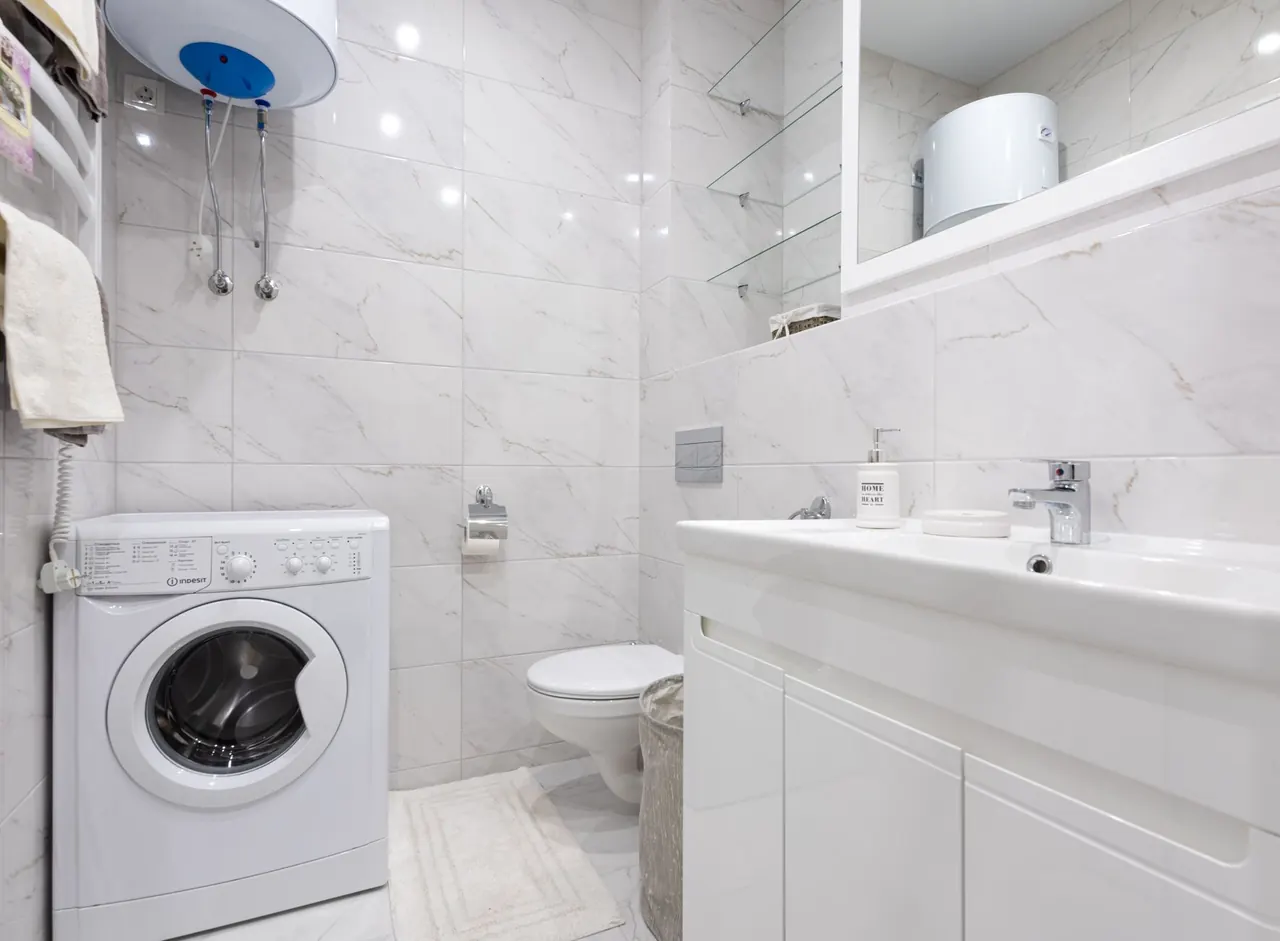
Once we locate the leak, pipe repair and replacement is usually the next step. We cut out the failed section of copper, PEX tubing, or PVC pipe and rebuild it with new pipe fittings, then pressure test the run before closing the wall.
View serviceA dripping faucet wastes water and can hide a bigger supply leak behind the wall. We rebuild or replace Moen, Delta, and Kohler fixtures and check the shut-off valve while we are under the sink, so the fix holds.
View service
A running toilet can waste 200 gallons a day and mimic a hidden leak on your water bill. We replace flappers, fill valves, and wax rings, and confirm the flange is sound before we call the job done.
View service
Shower leaks often show up as a stain on the ceiling below. We trace the source, repair the valve or drain connection, and re-seal the pan so water stops finding its way into the framing.
View service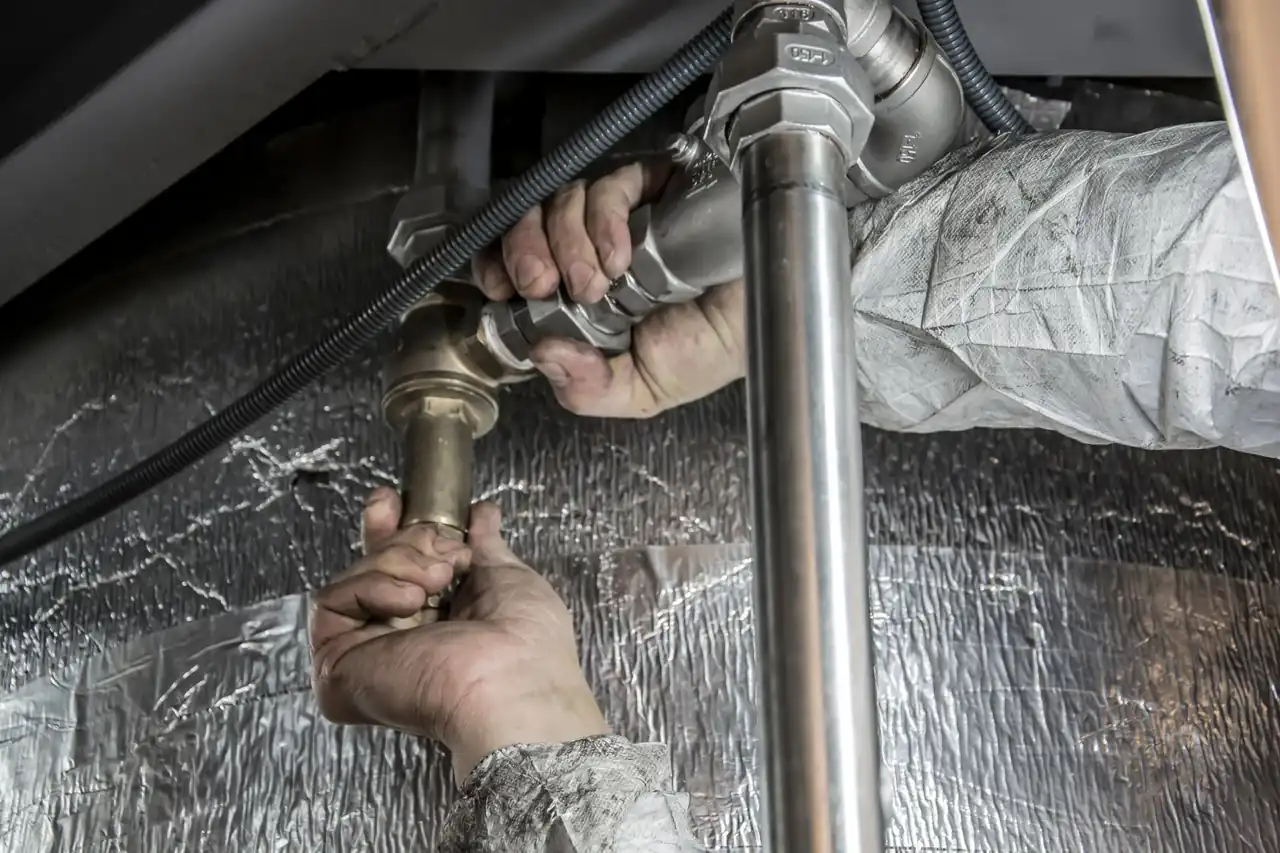
Call 877-780-9246 to schedule plumbing service or ask a question. We answer the phone during business hours and take emergency calls 24/7. If you reach voicemail after hours, leave your address and the problem, and we will call back quickly. Most calls get a same-day or next-day appointment.